Smoke Detectors in France

The French government has decreed that smoke detectors must now be used in French properties. Apparently every property must have at least one smoke detector installed. Ideally the property will have smoke detectors fitted in each corridor and main hallways. The following page stipulates the regulations.

http://www.legifrance.gouv.fr/affichTexte.do?cidTexte=JORFTEXT000027169390

Of course it goes into great detail as to what type of detector is OK. Basically if you buy them from any shop in Europe you should be fine as they will have to conform with the EU norms. It looks like you should let your insurer know what you have fitted and where too. There are penalties to deal with properties that burn down without the smoke detectors fitted (so you’ll have to prove they were) and liabilities if 3rd party damages are caused too!

Probably the best “plain english” description of the situation is to be found here.

http://www.insurance.fr/blog/smoke-detectorsalarms-required-march-2015

smoke detector


The smoke protector pictured costs slightly more than the most basic, it’s positioned in the main living area and when it is triggered all the other smoke alarms in the house go off at that same time. Not rocket science.

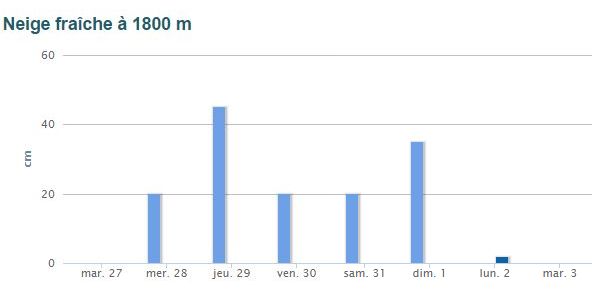
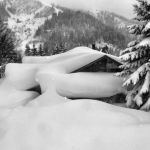
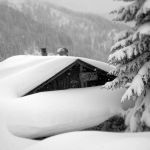
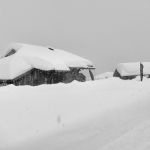
Snowmageddon in the Haute Savoie, 2015

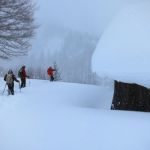
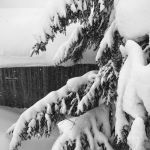
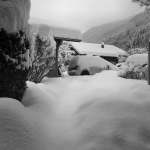
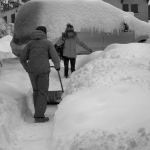
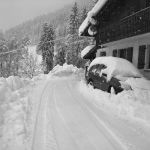
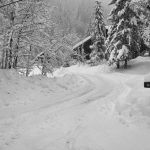
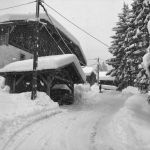
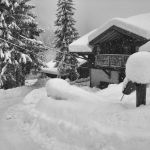
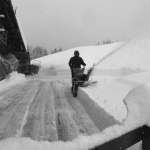
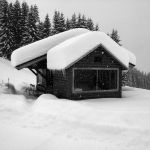
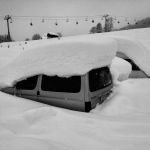
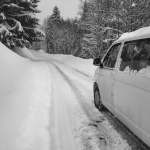
We had a great period of snow over the last days of January 2015. In total between 1.3 and 1.6m of snow fell during a 5 day period. I documented the scenes in photos each day.  The first image is taken from the Avalanche Forecasting website, you can believe these figures, they aren’t trying to sell ski holidays!
snowmageddon10a


The photos follow here.

Alpine Property join FNAIM

Alpine Property is now a member of the France’s Estate Agency Confederation, La Fédération Nationale de l’Immobilier or FNAIM as it is generally known. Its logo, a yellow diamond, is often seen on the doors of the traditional French high street Agence Immobiliere. You can now see the logo on the welcome page of our website.
So, why have we, an international internet based Estate Agency taken this step and why is our membership relevant to our clients?

FNAIM-Logo small

Estate Agency in France is a highly regulated and scrutinised profession. You can’t operate in France as an Estate Agen​t without the relevant licence. Once you have the relevant licence you must abide by a series of regulations or risk losing your licence, being fined or​,​ in rare cases​,​ sent to jail.

Over the last 12 months the French government has passed a new law (the Loi Alur) which extends and strengthens these regulations. This new law has been passed to increase consumer​ protection against the actions of over zealous Estate Agents. As an example, when you sign a contract agreeing to sell your house through a particular Estate Agent you now have a 14 day period in which you can change your mind.
Another example is that all properties must now be advertised inclusive of agency fees. In the past some unscrupulous agencies have advertised properties net of their fees.

And just to complete the picture, a little more context but this time about the Estate Agencies themselves. Since the advent of the internet many new agencies are now starting up on​-line, just like Alpine Property. No bricks and mortar office, just a website. In itself this poses no problem for the consumer if the operation on the ground is professional and trustworthy. However, many of these new agencies have been using their virtual existence​,​ and loopholes in the old legislation​,​ to avoid its full impact and operate unprofessionally, to the detriment of clients, both buyers and sellers. We, at Alpine Property, have become increasingly aware of this issue through our clients and have been looking to support any initiative to curb the activities of such unscrupulous agencies.

These new laws have been brought in to close the loopholes and prevent the rogue agencies from operating. They have been designed in collaboration with the FNAIM. This has been our first reason for joining the FNAIM​ – to support ​its work to make our profession more professional!

The second reason we have joined this organisation is that as members of the FNAIM we receive information and training on changes in the law which ensures that our agents are fully ​up to date on of all aspects of the law covering property transactions.

We hope that our membership of the FNAIM will assure our clients, both buyers and sellers​, of the continuing professionalism of Alpine Property​.

New development in St Gervais

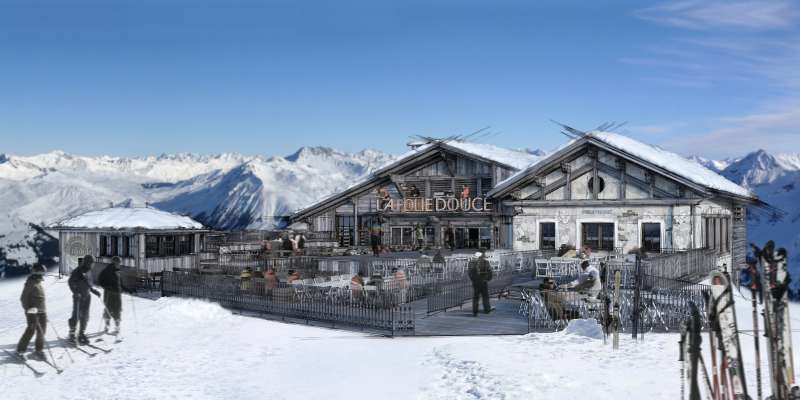
La Folie Douce, a new ambiance for St Gervais.

So with winter fast approaching, there are a few new developments this season in St Gervais. Last year, the gondola cars were replaced between the town and the Bettex, and this year the Mont Joux chair has been upgraded to a new, faster, 6-man chair lift. This will be especially appreciated during the peak season as it’s a popular area.

At the top of the chair, the old Mont Joux restaurant has been completely changed. It is now La Folie Douce – loosely translated as “the Gentle Craziness”. For those who have previously been to Val d’Isère, Val Thorens, Méribel or Alpe d’Huez, they may have already come across La Folie Douce, a concept that started over 30 years ago. Luc Reversade, a former ski instructor, founded the first one in Val d’isere and it’s reputation has grown and spread to other resorts. It is now seen as “the place” for après ski.

Now it’s the turn of St Gervais where, at over 2000m just off the new Mont Joux chair, there will be the 5th Folie Douce. It will consist of 2 restaurants, one called “La Fruitière” with quality dining and a more low key self service style restaurant called “La petite Cuisine”. The key component with La Folie Douce, is that as well as a restaurant, it’s an outdoor music and clubbing zone.

Image used with permission of La Folie Douce

Image used with permission of La Folie Douce

La Folie Douce will have DJ’s, live music and cabarets, which will be no doubt especially appreciated by young people, but apparently aimed at all ages groups. It’s about having a drink, listening to music in a fabulous setting, dancing and soaking up the atmosphere and coolness. Every day after lunch the St Gervais Folie Douce will provide a lively party atmosphere which will continue until the ski lifts’ closing time.

St Gervais has traditionally been a family resort, and Megève, which is linked into the same ski area, has always held a high-end, classy reputation, so this new venture shows an openness to branching out and innovating. As with any change however, some St Gervais associations and locals are less than impressed. They fear the (potentially far reaching) noise that the venue could create, and say it could detract from the peacefulness of the mountains. Given that St Gervais’ slogan is “la montagne à l’état pur”, “The mountain in it’s pure form”, it is debatable whether having House music blaring from the roof tops, will quite mesh comfortably with this ethos.

Other detractors comment that turfing out a load of drunk youths at lift closing time, causing them to funnel down the easy beginner’s run on the St Gervais side (Chateluy), could lead to overcrowded sections and increased accidents. However, as other mountain restaurants bar/cafés have served alcohol and also close at the same time, there is no reason why this should be the case.

The Maire of St Gervais, Jean Marc Peillex, has also been quick to defend the project and says it will operate within normal ski area opening times and within a framework. He doesn’t believe there’s any reason why it should be a bad thing. The project will also create around 40 jobs.

This season it will be interesting to see how it plays out. Hopefully La Folie Douce will be a lively place with an uplifting atmosphere, enhancing people’s enjoyment of their holidays without having a negative impact. It will help keep St Gervais fresh and attract a new younger generation of holidaymakers which is important in securing any resort’s future.

If nothing else, St Gervais is demonstrating it’s ahead of the curve. Some much “flashier” and better known resorts such as a Verbier, and Zermatt aren’t due to get their Folie Douce until the next few years.

St Gervais’ La Folie Douce will be ready to open its doors on the 20th December 2014 as the season kicks off.

Can English inheritance law apply in France?

Inheritance law can be a minefield in any country and this is no less so across the EU. Matthew Cameron of AshtonKCJ Solicitors in the UK has been helping some of our clients on this topic.

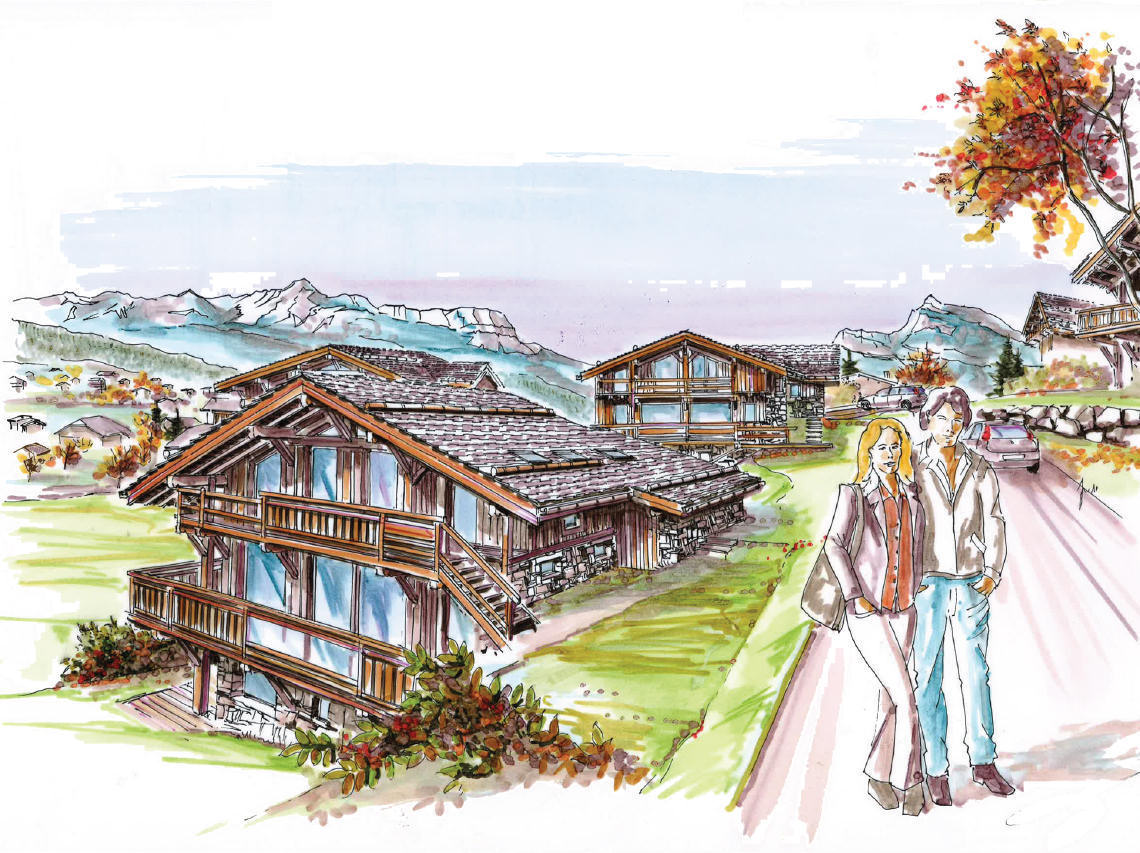
So the question is. You are thinking of buying the chalet in Chamonix pictured below. In the event of your death. Who will inherit it? Under UK law it might be your spouse, under French law it might be your children. If you are after an answer then Matthew has given some insight below.
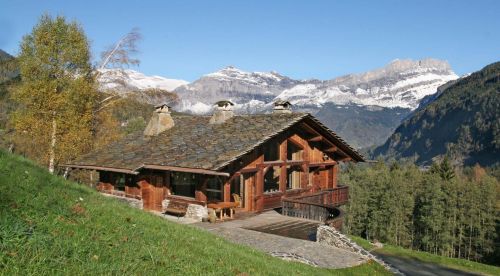
Chalet for sale in Chamonix

Succession Regulation EU 650/2012.

There has been much debate over the past couple of years about the new EU succession regulations (Regulation EU 650/2012, known as “Brussels IV”), that are due to come into force on 17 August 2015. The Regulations came out in 2012, initially to a fanfare anticipating that they could cure all of the perceived problems of cross-border succession. For it is a fact that whenever a person owns assets in another jurisdiction he or she may well be increasing the complexity of his or her legal and tax.

The background to this is that French inheritance law is substantially different from the position in the UK. For example in France there are fixed rules of succession that do not exist in England and Wales. While these are often of little concern to people buying French property, they can give rise to unintended consequences, especially when considered in conjunction with the different inheritance tax regimes that apply in the two jurisdictions.

A large portion of the work we carry out for clients when advising on French law matters relates specifically to how they may be able to structure their ownership of the French property to ensure the most suitable (or perhaps least unsuitable) method of ownership. That clients are open to discuss how their French property may pass at the time of their death is good: it confirms that they have explored this topic enough to understand that caution must be exercised from the very outset to be sure all is well understood.

And so for the last year or so many of our clients have been asking whether it is now just suitable to invoke the new Regulations, electing to apply English law to their estate in France. We shall now have a brief look at the implications of the new rules, with a view to establishing our take on the current position.

It is important to note that the UK has not ratified the relevant Regulation, and is not therefore a party to it. It is generally accepted, though, that this will not prevent a British national from choosing to apply English law to his estate in France, should he so wish. This absence of ratification by the UK should only impact non-UK nationals, who will not be able to apply the law of their nationality to any estate they have in the UK; as such that does not concern us here.

But what will happen in France, when a British national dies leaving assets there? Some commentators have, before now, suggested that these new rules would cover all main concerns that may otherwise arise on death. Yet it is not clear that this is necessarily the case. A number of concerns still remain to be answered.

What is apparent is that a British national should be able to apply the law of their nationality to their estate in France. An important (but perhaps confusing) distinction is to be made here. The law of nationality for a British person is not always the same: there are differences, for example, between the law of England and Wales on the one hand, and of Scotland on the other. Indeed, while I am unable to comment in detail on Scottish law, being a solicitor in England and Wales, I am aware that Scotland has inheritance rules that include fixed rights of succession. Scottish-born British nationals should therefore take extra care.

What is comprised in their estate in France depends upon factors such as where they were living at the time of their death: if they were UK resident, then the French estate would only comprise the French house; if French resident, then it would comprise all of their estate.

Article 21 of the Regulations state that the law to be applied to a person’s succession is the law of the state of habitual residence prior to death. This can, though, be changed, in accordance with Article 22. The effect of this could therefore be that a person is able for example to elect to apply English inheritance rules to manage the estate in France. An election should be expressly confirmed in a Will. As an illustration of this, if for some specific reason a person wanted to ensure that his house in France would pass to two only of his three children, then choosing to apply English law to override the French fixed rules of succession could well help here (although there are instances under English law where the disinherited child may challenge that, so again care must be taken).

It is not, though, the panacea that some people may initially have thought. For one thing, it is only the rules of succession that change: the taxation status remains the same. That is to say that French inheritance tax rules will still apply to the devolution of any French estate. Thus while a person would be able to invoke English law to pass his house in France to an unmarried partner or to a step-child rather than to his own children, that legacy would attract inheritance tax at 60%. French inheritance tax rates vary depending on the proximity between the deceased and beneficiary, so a legacy to a ‘natural’ child would attract far less tax than a legacy to a step-child. Similarly a legacy to a surviving spouse would be exempt from tax, but anything left to an unmarried partner (or partner not subject to a Civil Partnership Agreement or a pacte civil de solidarité) would be treated as a gift to a stranger in blood and therefore taxed at 60%.

On a slightly more complex level, it is also not yet clear what exactly will be involved in choosing to apply English law to administration of the succession: is it just a case of understanding that we can effectively elect to leave our estate to anybody, without necessarily having to defer to the fixed rules of the réserve héréditaire? Or is the testator, in electing English law in his Will, also imposing upon the notaire administering the French estate an obligation to declare that everything is to be held on trust, by executors, until the succession is wound up? France does not recognise trusts as valid property holding vehicles, although it does require that any trust with a link to France must be registered. I am not sure that many notaires will relish the thought of referring to the Administration of Estates Act 1925 and other English legislation on trusts and trustees to understand how to administer a French succession.

In summary, much remains to be clarified. I was able to discuss all of this with a notaire recently, and we agreed that in all probability the answers will not all come out until they have been tested in the court, with a judge clarifying any concerns. That would require a challenge being brought to the administration of the estate of a deceased person who had elected to apply English law in France. It is reasonable to anticipate that such a challenge would arise, yet how it would be managed is another question: presumably it would have to go through the French court system, up to the highest level (the Cour de Cassation), and on to the European Court of Justice.
Those answers may be some way off yet.

In saying that, there are still instances where it is certainly worth trying to apply English law to an estate in France, and we have already advised many clients accordingly. However, before that choice is made, it is in reality imperative to make a detailed analysis of the situation. Frequently there will be perfectly suitable French estate planning structures already in existence, and that we know will work. If that is the case, we tend to recommend these first.

Further information can be obtained by contacting Matthew the AshtonKCJ webpage http://www.ashtonkcj.co.uk/legal-services/services-for-individuals/french-legal-services/
A refuge in the Alps

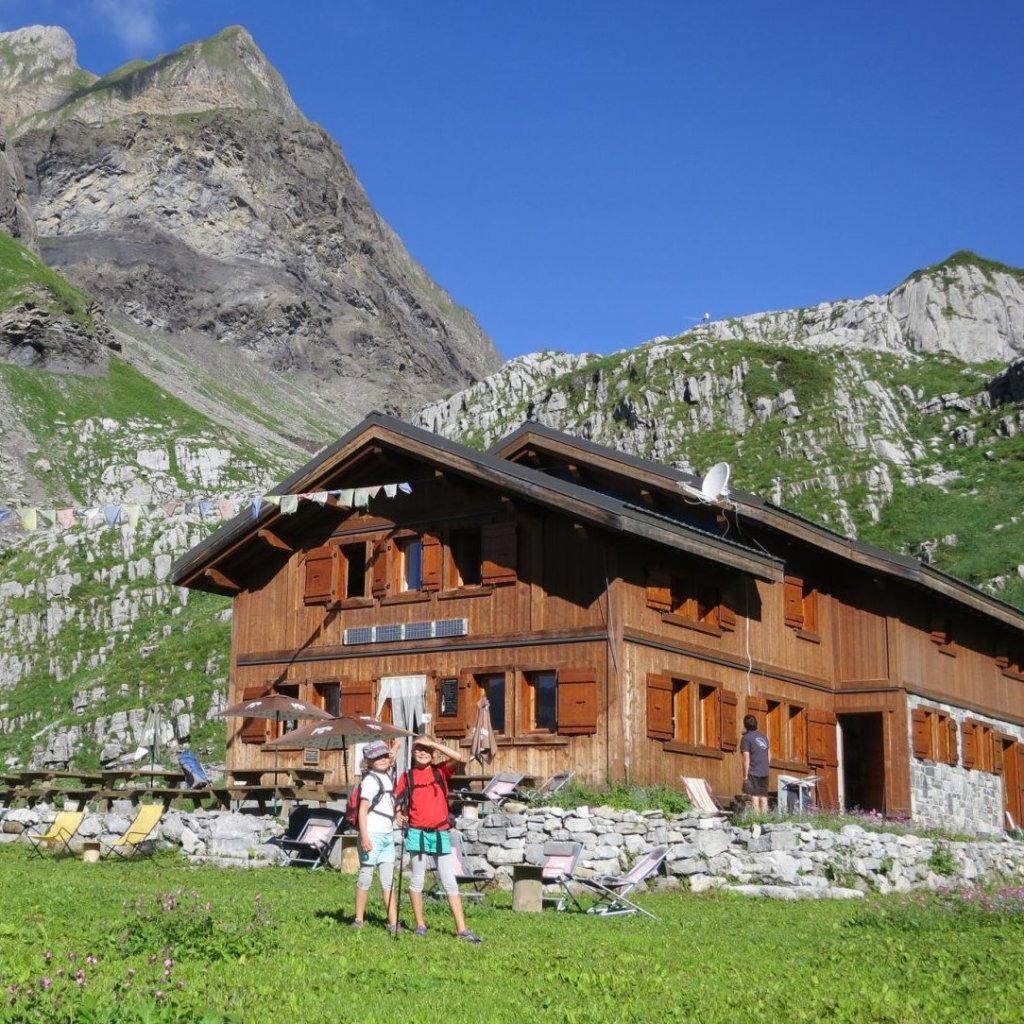
Taking time out to go and visit an Alpine Refuge could well be one of the most memorable things you can do in the Alps. I try and visit one each year with my family and these trips never fail to disappoint. In fact I’ve been visiting refuges for the last 20 years, summer and winter, manned or not, I think each has left a memory to treasure.

Refuge Vogealle, nr Samoens

Refuge Vogealle, nr Samoens

What is a refuge?

I used to call them “huts” but the term tends to confuse the uninitiated. In fact I’ve just done a quick web search and Wikipedia has a long article on the subject here the term “Refuge” is hardly mentioned. The problem with calling them Mountain Huts is this really doesn’t do them justice. Many of them are extremely well appointed with small dorms or bedrooms, inside toilets and 3 course meals served every evening. The latest ones do have hot showers too but unless they are heated via the local hot spring I won’t be using them (please see Eco Living? below).

Vogealle dorms

Sleeping arrangements at the Vogealle

Where do I sleep?

The traditional refuges have communal dorms, long sleeping platforms provided with pillows and blankets. The major downside with these is people that snore. You would be well advised to take some ear-plugs! Refuges that have been renovated in the last few years will probably have bedrooms that sleep 6/8 people. These are ideal for most groups and families and reduce the noise considerably. These more modern places may have duvets instead of blankets too. Either way, you will need to use a sheet sleeping bag.

wine in refuge

Sometimes more closely related to a high mountain hotel!

What to take?

Refuges are not hotels, but then again they are not bothies either. So what should you take? Beyond your “normal” day kit for the mountains you probably only need to take a sheet sleeping bag, either to protect the duvets and reduce the requirement for laundering or to make the itchy blankets a little more comfortable. I usually take a fresh t-shirt, socks and underwear for the evening and don’t forget most of them are at quite an altitude so the evening might be quite chilly. A torch can be essential, especially if the toilets are outside. But whatever you do, try and travel light, the less you have to carry the more you will enjoy the walk!

Bouquetin near the Refuge Presset

Bouquetin near the Refuge Presset

Which refuge?

I live in the Haute Savoie so my recommendations are based on this. In the Massif du Mont-Blanc alone there are 50 to choose from, there is loads of information on the web and a book that covers them all too. I’ll cover a few here:

The following have shortish walks so would suit families.

Refuge de Loriaz, Chamonix, old style
http://www.refuges.info/point/370/refuge-garde/aiguilles-rouges/refuge-de-loriaz/
2 hrs of walking, 680m of climbing (from the valley) or start from the dam at Emosson, same time but much easier walk.

Refuge Tinderets, near Chatel, old style
http://www.refuge-abondance.com/
1 hr, 295m, very basic, very lovely

Refuge Folly, Samoens, old style but with small dorms and fresh food.
http://refuge-du-folly.perso.neuf.fr
2hr15min, 561m, lovely spot, donkeys for the kids to play with too. These guys are running an old refuge but with excellent eco-credentials. Have a look at the “Ecologie” page on their website.

Refuge de Varan, Passy (nr Chamonix)
http://www.varan.tourdesfiz.com/
1hr45min and 520m, amazing views of Mt Blanc.

walk to Refuge Presset

Walk to Refuge Presset

These two are a little farther to walk, maybe best left to the more experienced.

Refuge de la Vogealle, 1902m, Samoens, recently renovated
http://www.refugedelavogealle.com/acces.html
3hrs15min, 950m of ascent, a really smart refuge in a great location.

Refuge de Presset, 2514m, near Beaufort (Savoie), brand new
http://refugedepresset.ffcam.fr/
A CAF (Club Alpin Francais) refuge, discounts for members. Various routes 800m of climbing, about 3hrs.

Monta Rosa Refuge, 2,795m sleeps 120 near Zermatt

Monta Rosa Refuge 2,795m sleeps 120 near Zermatt

Eco Living?

Placing a building that can accommodate up to 100 people high in the mountains will have an obvious impact on the environment. The most extreme example is the new Refuge du Gouter, at 3,835m altitude on Mt Blanc, it accommodates 120 climbers each night. There is no running water so most of it is collected as snow and melted. Although the building is covered is solar panels the energy uses by this number of people is enormous. The very latest technology is being used to mitigate the impact but the people using  the facilities need to be educated too and foregoing a hot shower for one night will go a long way! The other step forward the modern refuges have made is how they deal with the toilet facilities. Nowadays they have managed to bring the toilets inside the buildings and make them water free.  A huge advance on the old system which I won’t be describing here.

Books and games to pass the time

Books and games to pass the time


Swimming in the Haute Savoie

The French Alps are known for the mountains. Most of our activities involve climbing up and down the Alps, skiing, walking or biking. Sometimes it’s easy to forget the mountains make a beautiful backdrop to the many swimming and watersports opportunities too. During the short summer months the Alpine lakes and numerous outdoor swimming pools come into their own.

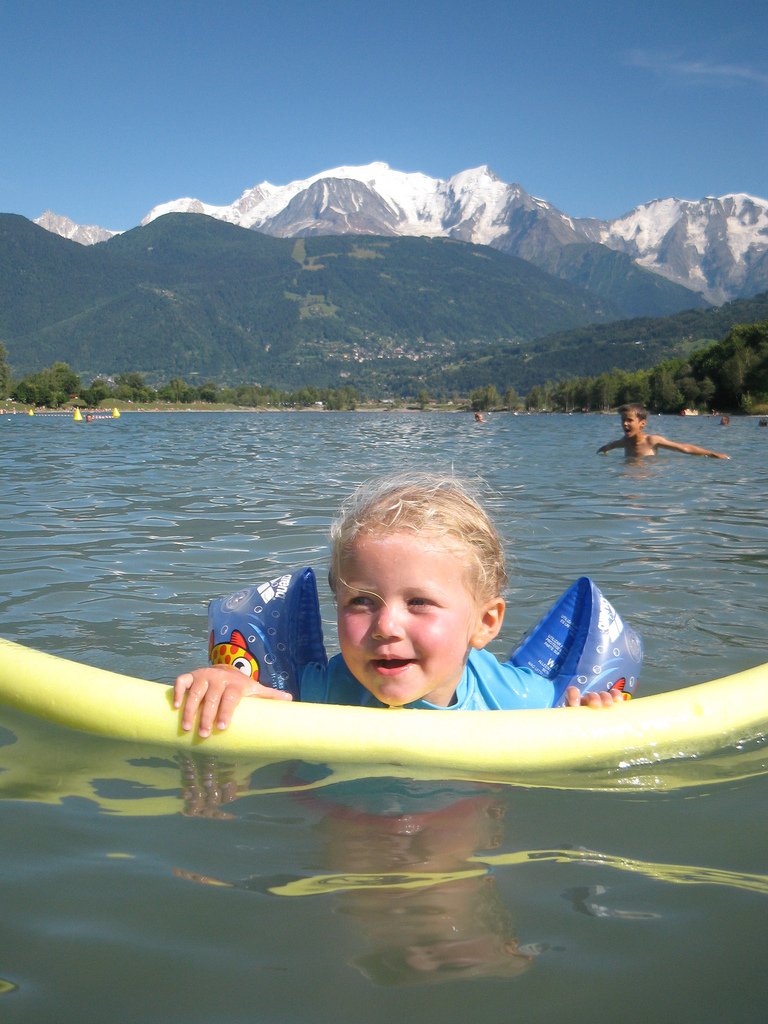
swimming in warm water with snow in the background

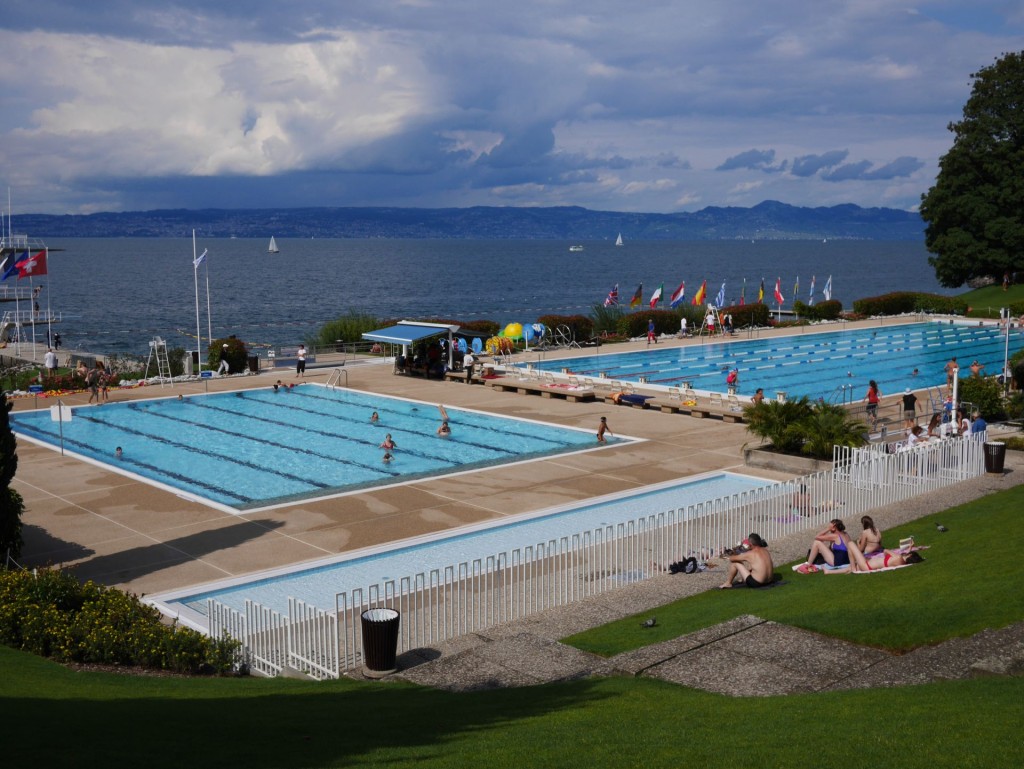
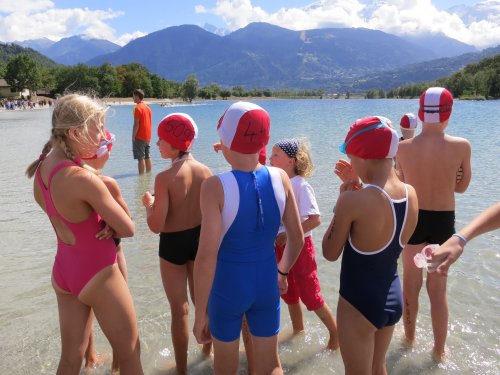
At the end of the winter I decided to enter the Traversée du Lac d’Annecy, an annual event held on the “Quinze Août” a bank holiday in France. Over 2000 people take part in various swims across the lake with distances of 1km, 2.4km and 5km. As a result this summer has been a summer of water for me. I started my training in May in Thonon les Bains. The “Thonon Plage” could be one of the best swimming pools I’ve ever been too. Even in May they have two heated pools, a 50m pool and a 25m laned training pool. The main pool is surrounded by a glass wall which creates a sun trap. The 25m pool is surrounded by hardwood decking and thanks to the lack of surrounding wall it gives the impression of an infinite pool with just Lac Leman as the backdrop. This picture was taken on a cold windy day. The pool was 28C and I had it to myself for an hour. Not bad for the entry price of 3.20€. In July an open water swim starts and finishes at the plage, the “Rives Ripaille“.

thonon plage

 Just up the road is the swimming pool at Evian, “Evian plage”, again 50m and surrounded by beautifully manicured grass. Once the lake has warmed up there is a secure swimming area in the Lac Leman too. This doesn’t happen until about July at which point the lake temperature is about 21C.  This pool is great for the kids as the (free) slide is enormous and will keep them occupied for hours. Wind direction and temperatures are available from windspots.com.

evian swimming pool

Morzine swimming pool is the most local to me. Oddly I don’t have any photos of it! There is a new (opened in 2012) 25m indoor pool and in July and August the 50m open air pool is open too. The “Club des Nageurs Morzinois” is one of the summer only swimming squads in the area. There are others nearby in Samoens, Evian and La Roche-sur-Foron. These “club estivale” only train outdoors and compete against each other for the 2 summer months. This suits many of the squad as they spend more of their year on skis! Thanks to Morzine’s new-found status as a triathlon training venue you could easily end up swimming next to the likes of  Jodie Stimpson and Alistair Brownlee. Stimpson in particular seems to have spent most of summer 2014 training around and about. Maybe it’s the altitude they like?

paddlle board on lac montiond

© reelfunmedia.com

Or perhaps it’s the Lac de Montriond? A 1km long lake just 5 minutes outside of Morzine. Quiet and thanks to its altitude (1057m) this summer it has been rather cold. Summer 2014 has not been a good summer, we have had no period of sustained heat to warm the higher mountain lakes. I’d be surprised if it made it over 15C. I swam a length in June but even with a wetsuit that was a bit of a trial.

Lac de Passy is well-known to swimmers and triathletes from Chamonix. It has hosted the Mont Blanc Triathlon for several years now. 2014 saw the first edition of the Traversée du Lac de Passy too. The water is clean and thanks to its lower altitude (550m) it often hits 23C in a warm summer.

passy lac

There is a beach, café and some miniature boats for the kids to play in.

lac passy activities

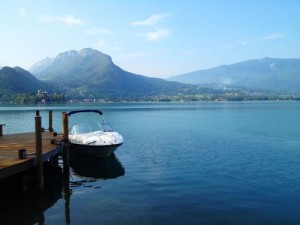
Lake Annecy is world renowned and  has plenty of beaches and access points. The most well-known is the “Plage de l’Imperial” which is surrounded by plenty of parking.  Further along the east side are beaches at Veyrier-du-lac and Menthon too. Thanks to it’s lowly height (445m), shallow sandy bottom and large surface area it’s another warm lake, the temperature of the water can be found on the web, it’s updated every couple of minutes on the annecy-meto site.  Considering it was August. This year’s Lake Annecy swim was pretty cold, even then the water was still 20C so it was better in the water than out!

lake annecy swim

Claiming back VAT on a French property purchase

If you are thinking of buying a French property, be that a hotel, chalet or even an apartment, your French estate agent might have tempted you with the fact that it might be possible to reclaim VAT (TVA in France) from the purchase cost. With TVA at 20% that can be a sizable reduction on the purchase cost and a very tempting idea. When our customers express an interest in this we tend to refer them to the accountants we work with, SAREG in Les Gets. The reason we do this it because for a purchaser from outside of France it can be a difficult process. SAREG have provided us with a help sheet on the subject, which I have summarised here.

off plan chalet in France

TVA is levied on French property in the following cases.


  1. If the property is being built new (off-plan) by a developer.
  2. If the property is less than 5 years old AND you are purchasing the property from an individual who is subject to TVA

So if TVA is paid on the purchase of the property you may then be able to claim it back but only if you prove the property will be used as a Hotel type business. Self-catering businesses do not count. Of the following 4 services, the new business must provide 3, they should be included in the price and not offered as an “option”.

  1. A guest reception, on site or nearby.
  2. Breakfast
  3. Provision of and cleaning of linen
  4. Room cleaning at least 3 times a week

If you or your business do not provide these services directly then they can be contracted out. This provision will have to continue for 20 years otherwise a proportion of the TVA will need to be repaid. As an example, if you sold after 10 years you would have to repay 50% of the TVA.

So it is likely a purchaser using this scheme will either be an established business in France already providing hotel type services (para-hôtellerie), or will sign a contract with an established business (so a ski company that provides catered holidays).

If you would like to discuss this further we would be happy to introduce you to our English speaking contacts at SAREG for an initial consultation at their offices in Les Gets or St Pierre en Faucigny.


Linen, beds and interiors for your new Alpine Property?

Now that you have bought your dream Alpine property – it needs to be kitted out…..where do you start? This is a question that Victoria Taylor asked herself a few years ago and failing to find the answer she started her own company with Anthony (her husband) to plug a gap in the market.  So look no further, now 6 years on and thriving, Linge des Alpes – Supplier of Linen, beds & Interiors.

Linge des Alpes takes the hassle out of kitting out or updating your chalet with quality beds, bed linen, duvets, towels and chairs/sofas.

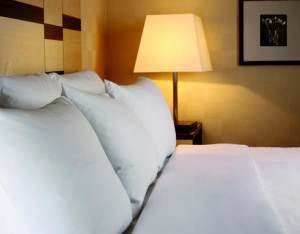
Linge des Alpes have been the exclusive French distributor for Mitre Linen UK since 2008. Mitre are a leading wholesale hotel linen supplier in UK and Europe with honour of the Royal Warrant. They have a large range to offer and it is divided into LUXURY, COMFORT and ESSENTIALS to suit all clientele. Victoria is more than happy to chat with you about your requirements and will even help you choose the most suitable items for your property. She says “comfortable pillows are so important to a good night’s sleep”.

Savoy range from Mitre

What do Mitre Linen sell – Sheets, Duvet Covers, Duvets, Pillows, mattress protectors, wooden hangers, bed runners, bathrobes, slippers, towels, tablecloths and tea-towels. You can view their website here.

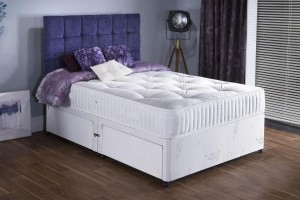
After popular demand their clients were looking for comfortable British made beds. Their most popular bed is the Vogue Bed Company – PLATINUM 1500 POCKET SPRING – the feedback is so positive from holiday makers who have a great night sleep, this makes all the different to the holiday experience. They sell a lot of zip n link beds as this give versatility to selling a holiday – to either singles or couples. Winter & Summer Side. 90x190cm = 180x190cm Zip n link Bed Set with quality damask or suede fabric covered base and delivered to your chalet is from 939.35€ HT (2 single Z/L beds).

resizedimage600400-Platinum-Main-46-low

Also available are the amazing SPORTS THERAPY MATTRESSES

Cow hide is very popular in chalets. Holiday makers are looking for the alpine feel in a chalet. Gone are the days of red hearts everywhere, people want the real thing – cow hide. Anthony has selected a large range of cow hide chairs and he recommends you “choose your own hide”.

Victoria organises all the deliveries to suit your time frame and liaises with tour operators to make sure you are buying what is required to maximise rental potential for your Alpine property.

Should this be of interest to you or you would like to order, please contact Victoria and Anthony anytime on + 06 43 22 28 27 or victoria@lingedesalpes.com or visit her website.

They pride themselves on service and quality. You can even visit them at their office/showroom in Essert Romand (5 mins from Morzine) to discuss your requirements, otherwise you can communicate via email and phone.

Schooling in Fra

How English speaking children cope with schooling in France is a frequent discussion amongst the foreigners living here. This shouldn’t be a surprise; schooling is often a hot topic in your home country, so wondering how your children will cope with the alien environment of a French school can be doubly stressful! Choosing which school to send your kids to is not so much of an issue, (in most of the areas we deal with there is just one school to choose from) it’s how your children can get the most from that one school that needs attention.
This is my opinion, it is based on fact (I have three children aged 8, 10 and 12 years), but it should probably not be quoted as gospel. I do seem to have to express it quite frequently though so I thought I’d publish it.
14593367561_a412fe4936_z

My kids have had the (massive) advantage of being born in France. In addition to this, and unusually, we took the decision to send them to a French childminder from age 1 until school started. (This facility is heavily subsidised and in our area was organised by the local ‘Relais des Assistantes Maternelles’ or RAM). This meant that my kids pretty much learnt the two languages together. BUT both my wife and I speak only English at home and, although we have both French and UK television we tend to gravitate towards the UK TV 95% of the time.

I’m not saying this to brag, just to give you an idea of how they are doing, they are average in the class for French, in most other subjects they are slightly above average. In the primary schools many English speaking children manage to follow the curriculum without too much difficulty. However if the basics of the language aren’t mastered by the time they start collège (secondary school) at the age of 11 it can become quite an issue. We’ve done some analysis and I think some (more) of the reasons our kids cope quite well are:

* We enrolled them in as many French run clubs and holiday activities etc. as we could. Here the kids are exposed to more ‘conversational’ French than in the school environment.

* My wife is a full-time Mum and speaks good French (mostly self-taught) so can help with their homework.

* We have a tutor who comes to the house once a week to fill in the gaps.

Even with these ‘extras’ the kids just about keep their heads above water on the schooling front. You shouldn’t expect much extra help from the schools either. Some do run remedial lessons for non-French speakers but only for an hour or so per week, and there is normally no classroom assistant to help them on a daily basis. Quite often any difficulties that your child might have will just be put down to the fact that they are not a native French speaker.

In fact I was talking about this yesterday with someone from Samoëns and another from Chamonix. Apparently can get a bit frosty on occasion in the Chamonix schools, they have had to deal with too many non-French speakers and it sounds like they are getting fed up now (this wasn’t reported in Samoëns). Of particular ire was the scene of an English parent picking their kids up from school whilst dressed in ski kit. You can imagine what the teachers think. There isn’t the same hostility where I live in St Jean d’Aulps, but the proportion of English speaking children in the three primary school classes is 25%, 30% and in one class 50%! You can perhaps understand a little why the French can feel put out.

So you’ve got a couple of options to think about. Either “go native” and find somewhere “French”, or to head for somewhere like the Annecy area that caters for the bi-lingual aspect of your childs education.
Go Native
So to try and avoid other English speaking kids at school. We have witnessed many new English speakers starting school who cling on to a small group of Anglophones in the class. It’s not exactly the language “immersion” many parents imagine before coming here. It slows progress significantly. Stay on top of the situation too; it’s hard work but if the first time you discover you child is struggling at school is in their end of term report you may well have a lot of ground to cover to sort the situation out.
With this in mind here are some suggestions for the predominantly French areas in the Haute Savoie.
Le Petit Bornand and Thones in the Aravis: http://www.alpine-property.com/area/5/aravis
Possibly Samoëns but in fact, on this subject, I think you will be better off further down the valley in Taninings or Mieussy.
annecy
The Annecy Options
It could be Annecy’s proximity to Geneva but there are now several options available to relocated families with bilingual kindergarten and primary schools such as Ecole Bilingue de Haute-Savoie in Annecy and  the Mésanges Ecole Bilingue Montessori in Veigy. French secondary schools in the area are also starting to offer specialised classes  for native English speakers and gifted French kids, seeing  the benefits of having native English speakers in the school.

These developments will no doubt help families avoid having to needlessly  move back to the UK for educational reasons when their children can profit from diverse, high quality schooling in situ – and still go skiing!

You can read more about the Lake Annecy area here: http://www.alpine-property.com/area/10/lac-annecy or see a list of the properties we have for sale around the lake here: http://www.alpine-property.com/lacannecy

The bottom line is – schooling cannot be left to chance; which in fact is the same everywhere!